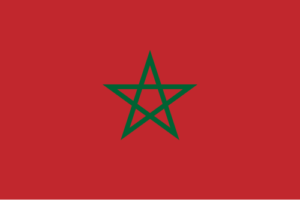

The job market in Morocco is dynamic and ever-evolving, requiring professionals to possess a blend of both hard and soft skills to succeed. Whether you’re just starting your career or looking to advance, understanding and honing these essential skills can significantly impact your professional growth. Let’s explore some of the most critical abilities that every professional in Morocco should have.
Effective Communication
Communication is the cornerstone of any successful workplace. In Morocco, where cultural diversity is rich, being able to communicate effectively across different backgrounds is crucial. This includes not only verbal communication but also non-verbal cues and written communication.
- Verbal Communication: Speak clearly and concisely. Adapt your language to suit the audience and context. For example, in a business meeting, use professional jargon appropriately, while in team-building activities, opt for more casual conversation.
- Non-Verbal Communication: Pay attention to body language, facial expressions, and tone of voice. These can often convey more than words. For instance, maintaining eye contact shows confidence and respect, while crossing arms might indicate defensiveness.
- Written Communication: Emails, reports, and presentations should be well-structured and free of errors. Clarity and professionalism are key. Consider this example: a well-crafted email can lead to quicker responses and better outcomes.
Problem-Solving Abilities
The ability to identify problems and devise effective solutions is invaluable in any professional setting. In Morocco, businesses face unique challenges, and professionals who can think critically and creatively are highly sought after.
- Analytical Thinking: Break down complex issues into manageable parts. Use data and facts to support your conclusions. For example, analyzing sales data to identify trends and opportunities.
- Creative Solutions: Think outside the box to find innovative solutions. Encourage brainstorming sessions and be open to new ideas. For instance, developing a mobile app to streamline customer service processes.
- Decision-Making: Make informed decisions based on available information. Be prepared to take calculated risks. For example, choosing a new supplier based on cost savings and quality.
Adaptability
Morocco’s economy is diverse, with sectors ranging from agriculture to technology. Professionals who can adapt to changing environments and embrace new technologies will thrive.
- Embracing Change: Stay open to new ideas and approaches. Be willing to learn and grow. For example, adopting agile methodologies in software development.
- Technological Proficiency: Keep up with technological advancements relevant to your field. Learn new tools and software. For instance, mastering project management software like Asana or Trello.
- Cultural Sensitivity: Understand and respect different cultures and customs. This is particularly important in a globalized workforce. For example, being aware of religious holidays and observances.
Team Collaboration
Collaboration is essential in achieving common goals. In Morocco, teamwork is highly valued, and professionals who can work well with others are more likely to succeed.
- Active Listening: Show genuine interest in what others are saying. Avoid interrupting and ask clarifying questions. For example, during a team meeting, actively listen to colleagues’ suggestions.
- Conflict Resolution: Address conflicts constructively. Seek mutual understanding and compromise. For instance, if there’s a disagreement over project timelines, discuss the pros and cons of each option.
- Shared Goals: Align personal objectives with team and organizational goals. Work towards collective success. For example, contributing to a team project even if it means putting aside individual tasks.
Time Management
Efficient time management is crucial for meeting deadlines and maintaining productivity. In Morocco, where projects can be complex and multifaceted, professionals who manage their time well are more effective.
- Prioritization: Identify the most important tasks and tackle them first. Use tools like to-do lists or digital apps to stay organized. For example, prioritizing client meetings over less urgent emails.
- Delegation: Assign tasks to team members based on their strengths. This not only lightens your workload but also empowers others. For instance, delegating research tasks to a junior colleague.
- Self-Discipline: Stay focused and avoid distractions. Set specific times for checking emails and social media. For example, designating certain hours for deep work without interruptions.
Leadership Skills
Leadership is about guiding and inspiring others. Even if you’re not in a formal leadership position, demonstrating leadership qualities can help you stand out.
- Motivation: Encourage and motivate team members. Recognize their efforts and celebrate successes. For example, acknowledging a colleague’s hard work in front of the team.
- Empathy: Understand and share the feelings of others. This builds trust and strengthens relationships. For instance, showing empathy towards a team member facing personal challenges.
- Strategic Thinking: Develop long-term plans and strategies. Anticipate future trends and prepare accordingly. For example, planning for potential changes in regulations affecting your industry.
Frequently Asked Questions (FAQ)
How can I improve my communication skills?
To improve your communication skills, practice active listening, engage in regular conversations, and seek feedback. Reading widely and watching well-spoken individuals can also enhance your communication style.
What are some signs of good problem-solving abilities?
Signs of good problem-solving abilities include the ability to analyze information objectively, generate creative solutions, and implement effective strategies. Professionals who can break down complex problems and find practical solutions are highly valued.
Why is adaptability important in the Moroccan job market?
Adaptability is crucial in the Moroccan job market because it allows professionals to navigate the country’s diverse economic landscape and respond to changing business needs. It also helps in embracing new technologies and cultural nuances.
How can I become a better team player?
To become a better team player, focus on building strong relationships, practicing active listening, and contributing positively to team dynamics. Being reliable and respectful towards colleagues is also essential.
What are some effective time management techniques?
Effective time management techniques include setting clear goals, prioritizing tasks, and using tools like calendars and to-do lists. It’s also helpful to minimize distractions and allocate specific times for different activities.
Mastering these essential workplace skills can significantly enhance your professional capabilities and open up new opportunities in Morocco. By focusing on continuous learning and improvement, you can build a successful and fulfilling career. For more insights into job opportunities and career development in Morocco, visit MoroccoJobSearch.com.
Exploring job markets beyond Morocco can also provide additional perspectives and opportunities. For those interested in exploring roles in Eritrea, Eritreajobsearch.com offers valuable resources and information.